 Tiếng việt
 English
 français
 Deutsch
 русский
 español
 português
 العربية
 日本語
日本語 한국의
한국의

gọi cho chúng tôi ngay
ĐT: +86-4000988557;
ID Skype: gfreex@hotmail.com;
WeChat: Troysupply_com;
ID QQ: 8936906

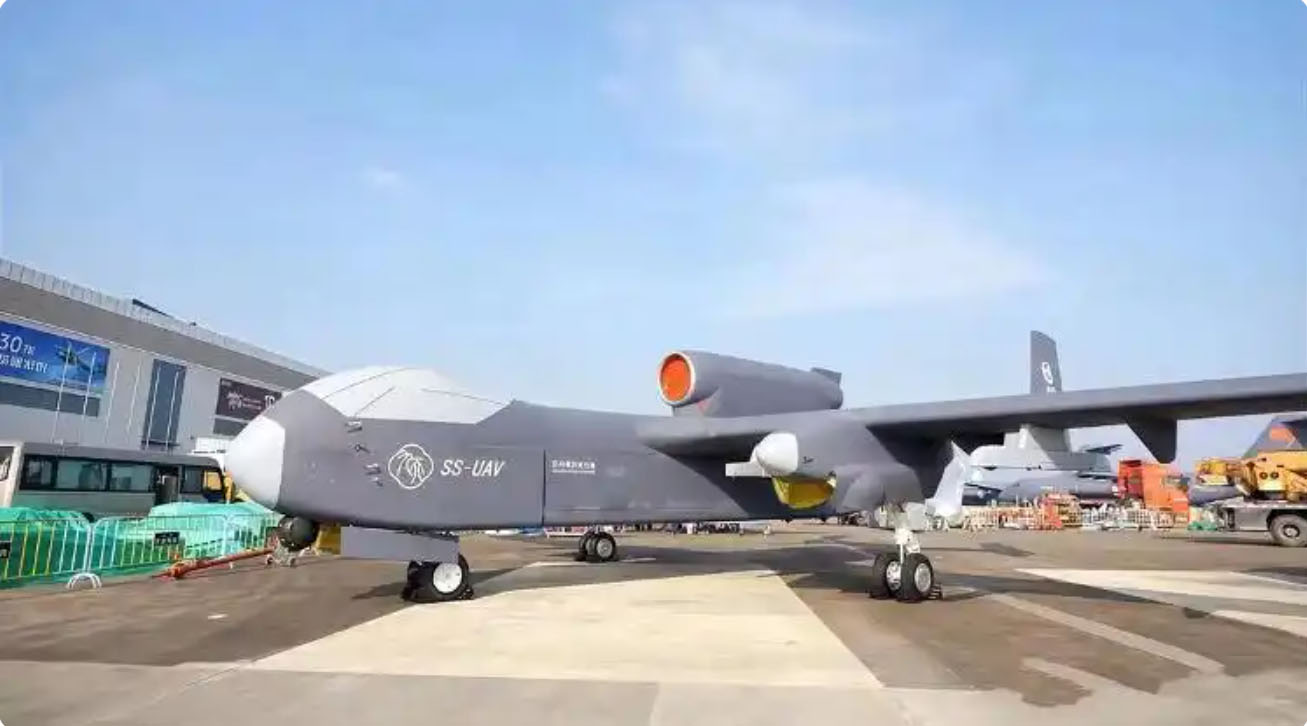
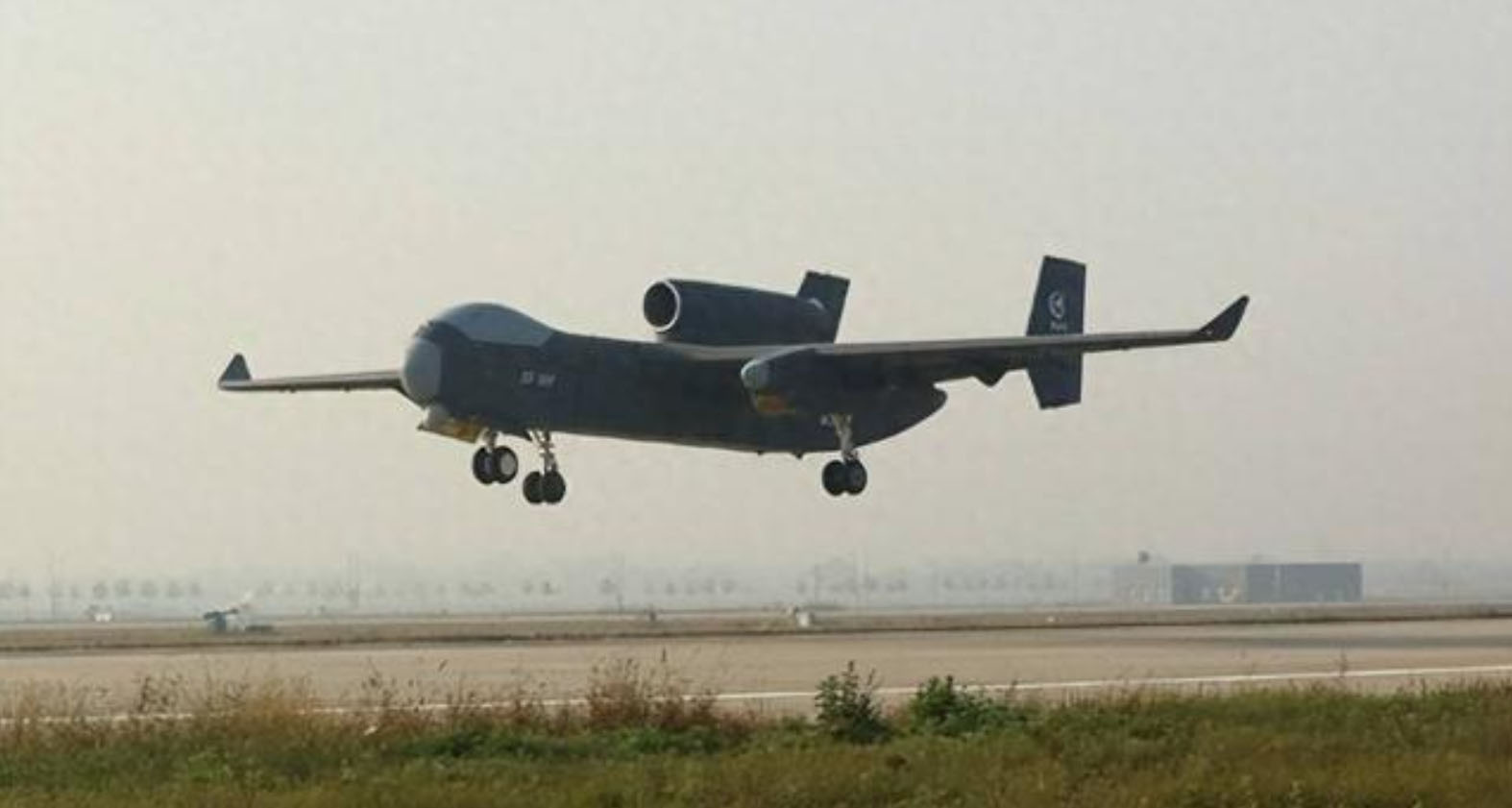
Ngày 11, máy bay không người lái đa năng "Cửu Thiên" đã hoàn thành chuyến bay thử nghiệm đầu tiên thành công tại Thiểm Tây. Là một nền tảng máy bay không người lái đa năng quy mô lớn do nước ta tự phát triển và sở hữu hiệu năng hàng đầu thế giới, "Cửu Thiên" có thể đóng vai trò là "tàu mẹ trên không" để chỉ huy các đàn máy bay không người lái, đồng thời có thể mang theo vũ khí hạng nặng để thực hiện các cuộc tấn công chính xác, thực sự sở hữu sức mạnh răn đe "từ trên trời giáng xuống".
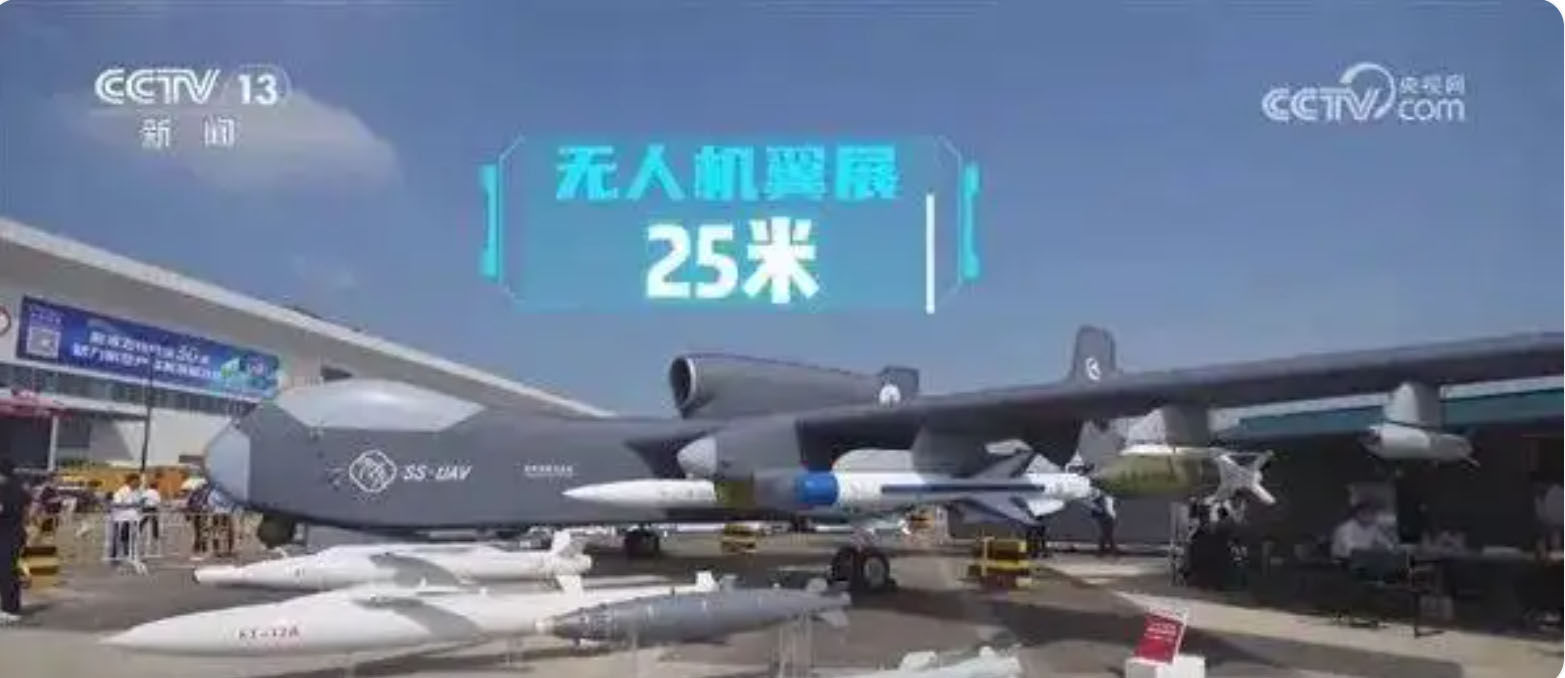
Máy bay không người lái Jiutian đã ra mắt tại Triển lãm Hàng không Chu Hải năm ngoái. Sau chuyến bay thử nghiệm thành công, các thông số kỹ thuật chi tiết của máy bay không người lái Jiutian cũng lần đầu tiên được tiết lộ. Vậy, Jiutian mạnh mẽ đến mức nào?
Thông số kỹ thuật cốt lõi đã được tiết lộ.
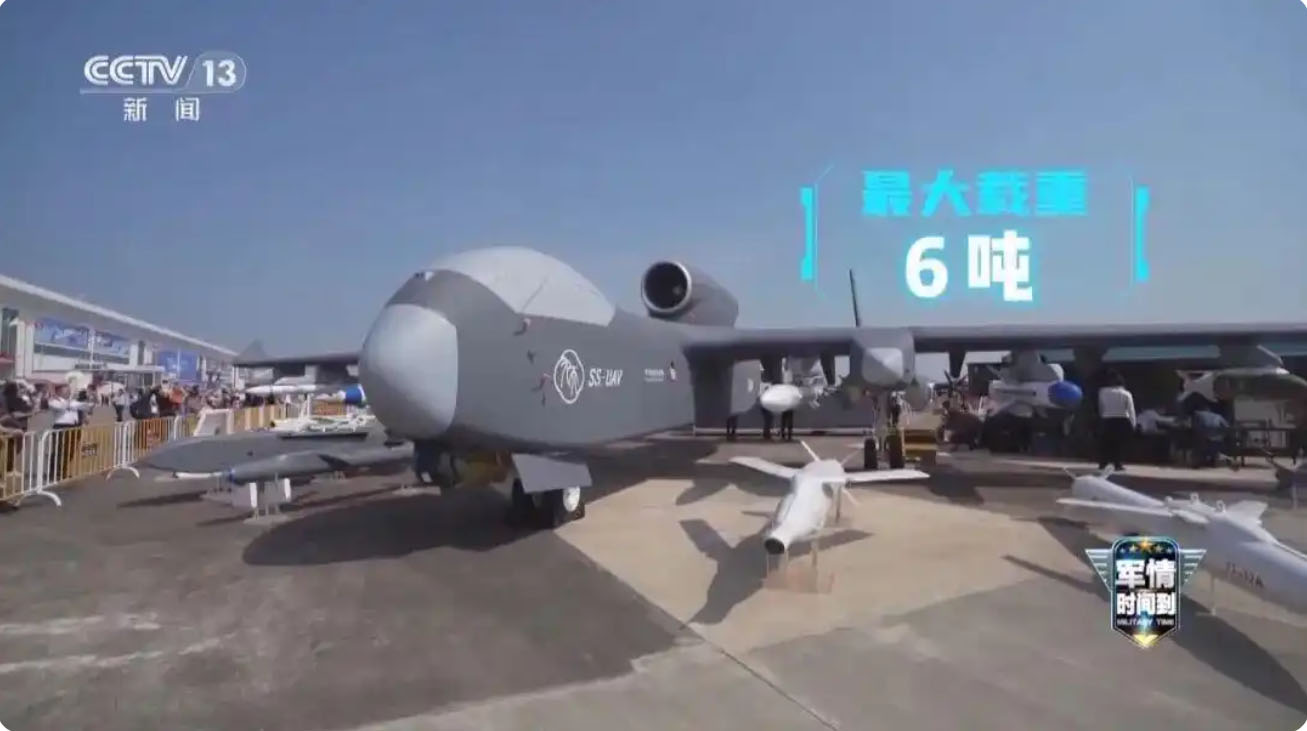
UAV này có thể mang tải trọng lên đến 6 tấn và có tám điểm treo vũ khí, có khả năng mang bom dẫn đường, tên lửa không đối không, tên lửa chống hạm và máy bay không người lái cảm tử - một loại máy bay không người lái thường mang chất nổ, lượn lờ gần mục tiêu và chờ tấn công.
Sải cánh của nó đạt tới 25 mét, và trọng lượng cất cánh tối đa có thể lên tới 16 tấn. Kích thước này gợi nhớ đến máy bay ném bom B-17 từ Thế chiến thứ nhất. Tuy nhiên, UAV Jiutian không chỉ sánh ngang với các máy bay ném bom truyền thống về trọng lượng, mà khả năng tải trọng tối đa của nó cũng lên tới 6 tấn, vượt xa UAV MQ-9 Reaper của Mỹ (với tải trọng tối đa chỉ 1,8 tấn), biến nó thành một "cỗ máy khổng lồ" thực sự trong số các UAV.
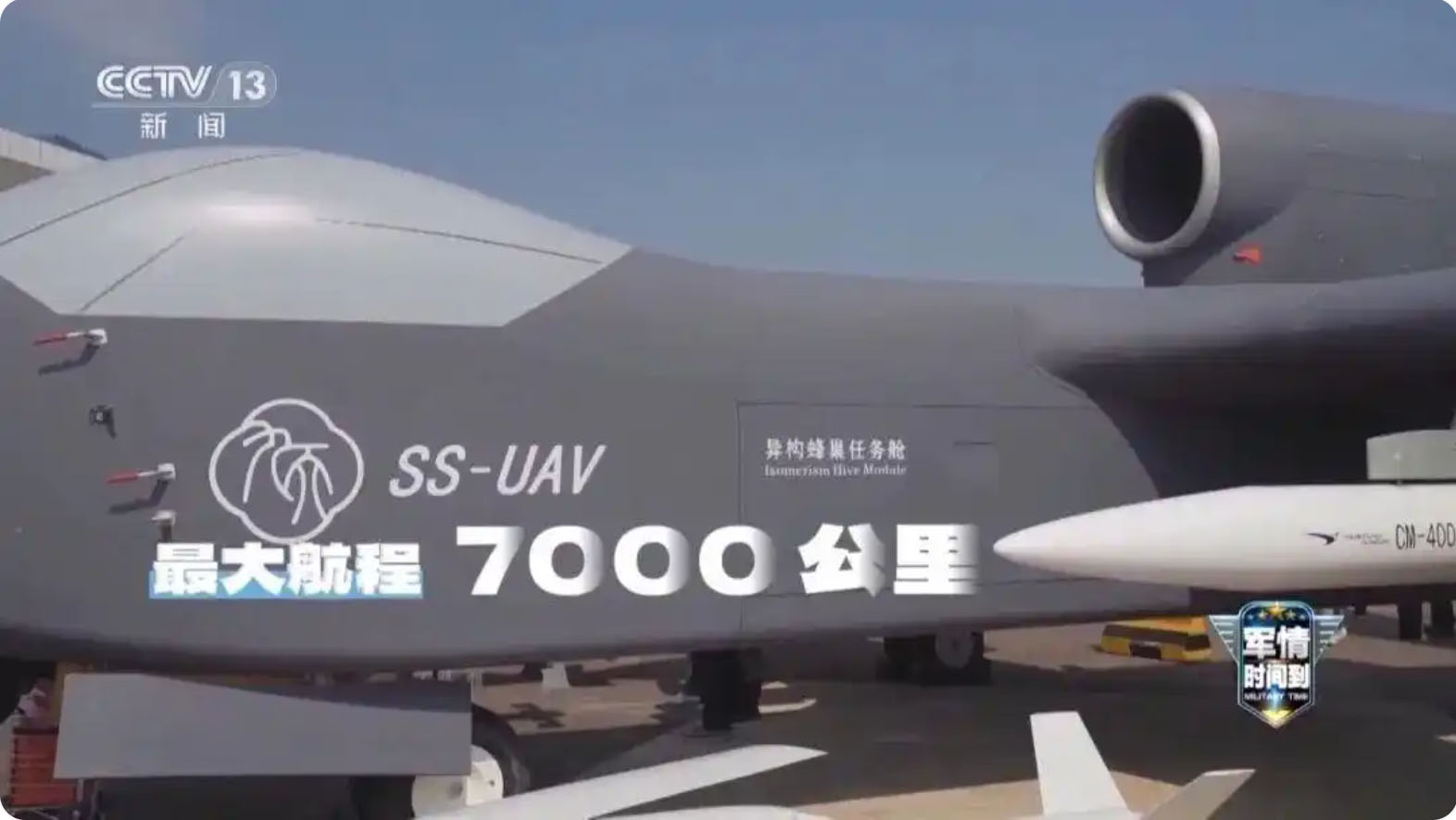
Khả năng mang tải trọng khổng lồ này đồng nghĩa với việc "Jiutian" có thể mang theo nhiều hệ thống vũ khí tiên tiến, bao gồm bom dẫn đường bằng laser và tên lửa chống hạm, cho phép nó thực hiện nhiều nhiệm vụ khác nhau trong môi trường chiến trường phức tạp. Ấn tượng hơn nữa là khả năng mang theo cái gọi là "khoang nhiệm vụ tổ ong hỗn hợp", một thiết kế cho phép nó phóng hàng trăm máy bay không người lái nhỏ lên không trung, tạo thành một hệ thống chiến đấu "bầy đàn" khổng lồ.
Như chúng ta đã biết, một đặc điểm quan trọng của chiến tranh hiện đại là sự tập trung cao độ thông tin và hỏa lực. Trong bối cảnh đó, chiến tranh bầy đàn đã nổi lên như một phương thức chiến đấu mới. Khái niệm thiết kế của "Jiutian" hoàn toàn phù hợp với xu hướng này; nó không chỉ có thể tự mình hoàn thành các nhiệm vụ tấn công mà còn có thể thực hiện các cuộc tấn công áp đảo vào hệ thống phòng không của đối phương thông qua chiến tranh bầy đàn.
Hãy tưởng tượng nếu mười máy bay không người lái "Jiutian" được triển khai theo đội hình, mỗi chiếc mang theo 100 máy bay không người lái nhỏ. Chỉ trong 30 phút, chúng có thể đưa hơn một nghìn máy bay không người lái đến khu vực mục tiêu! Chiến thuật như vậy có thể áp đảo hệ thống phòng không của đối phương, gây ra thiệt hại nặng nề.
Một lĩnh vực đáng quan tâm khác là ứng dụng máy bay không người lái "Jiutian" trong công nghệ thông tin và tình báo. Với sự phát triển không ngừng của công nghệ quân sự, chiến tranh thông tin đã trở thành xu hướng chủ đạo của quân đội trên toàn thế giới. Thiết bị trinh sát quang điện tử độ phân giải cao và radar khẩu độ tổng hợp được trang bị trên "Jiutian" sẽ mang lại cho nó lợi thế đáng kể trong việc thu thập thông tin tình báo.
Hơn nữa, khái niệm thiết kế "nền tảng đa năng + tải trọng nhiệm vụ mô-đun" cho phép "Jiutian" đạt được khả năng thích ứng toàn diện cho cả mục đích quân sự và dân sự.
Về điểm này, UAV "Jiutian" có thể thực hiện trinh sát liên tục, tầm xa, thời gian dài trên các khu vực chiến trường rộng lớn, thu thập chính xác các thông tin tình báo quan trọng như vị trí triển khai quân địch và cấu hình trang thiết bị, cung cấp hỗ trợ kịp thời và đáng tin cậy cho việc ra quyết định tác chiến. Khi được kết hợp với các lực lượng chiến đấu khác để phối hợp tác chiến, hiệu quả chiến đấu tổng thể sẽ được tăng cường đáng kể.
Chuyến bay thử nghiệm đầu tiên của "Jiutian" không chỉ là một bước đột phá quan trọng đối với Trung Quốc trong lĩnh vực UAV cỡ lớn, mà còn là sự củng cố toàn bộ hệ thống nền tảng chiến đấu không người lái. Với sự bổ sung của "Jiutian", sự bổ sung công nghệ tích cực và sự phối hợp tác chiến hiệu quả đã được hình thành với các UAV trinh sát và tấn công hiện có, trực thăng không người lái và các nền tảng chiến đấu khác. Đây không chỉ đơn thuần là nâng cấp một hệ thống vũ khí riêng lẻ, mà là sự cải thiện mang tính hệ thống về khả năng chiến đấu tổng thể.
Khoảng cách công nghệ đã quá rõ ràng.
Trước tình hình quốc tế ngày càng căng thẳng, các UAV như "Jiutian", với khả năng triển khai trên mọi địa hình và hoạt động trong mọi điều kiện thời tiết, chắc chắn sẽ đóng vai trò ngày càng quan trọng trong các hoạt động quân sự tương lai. Đặc biệt tại các khu vực căng thẳng như Biển Đông và eo biển Đài Loan, việc sở hữu khả năng trinh sát và tấn công chiến lược mạnh mẽ như vậy sẽ có tác động sâu sắc đến việc duy trì an ninh quốc gia và ổn định khu vực.
Mặc dù chuyến bay thử nghiệm đầu tiên của UAV "Cửu Thiên" đã nhận được sự chú ý cao từ Hoa Kỳ. Ví dụ, máy bay không người lái MQ-9 Reaper của Mỹ là loại máy bay không người lái trinh sát và tấn công nổi tiếng nhất của phương Tây, nhưng trọng lượng cất cánh tối đa của nó chỉ là 4,76 tấn, khả năng mang tải là 1,7 tấn và tầm hoạt động chỉ 1850 km—ít hơn một phần ba khả năng của "Cửu Thiên". Một loại máy bay không người lái khác, XQ-58A Valkyrie, mặc dù có thiết kế tàng hình, nhưng khả năng mang tải chỉ 0,5 tấn và khả năng mang theo nhiều máy bay cùng lúc kém xa so với "Cửu Thiên".
Tuy nhiên, không phải tất cả các phương tiện truyền thông nước ngoài đều ca ngợi nó. Ví dụ, tờ báo Ukraine *Defense Express* đã thẳng thừng bác bỏ ý tưởng này: một tàu sân bay không người lái lớn như vậy hoàn toàn không thực tế trong chiến đấu thực tế. Trên chiến trường Nga-Ukraine, các mục tiêu có kích thước lớn hơn 5 mét khối có thời gian sống sót trung bình dưới 50 phút. Khả năng sống sót của "Chín Thiên" khiến nó trở thành "mục tiêu dễ bị tấn công" trước các hệ thống phòng không hiện đại!
Tuy nhiên, phân tích của Ukraine có thể đã bỏ qua một điểm quan trọng: chiến tranh hiện đại là chiến đấu hệ thống, chứ không phải là các trận đánh riêng lẻ.
Trên thực tế, mục đích thiết kế ban đầu của máy bay không người lái "Jiutian" có lẽ không phải là hoạt động đơn độc phía sau chiến tuyến của kẻ thù. Mục đích của nó là phối hợp với các lực lượng chiến đấu tiên tiến khác để tạo ra ưu thế tổng thể. Để chống lại các đàn máy bay không người lái khổng lồ, một hệ thống phòng không đơn lẻ rõ ràng là không đủ. Ví dụ, việc Ấn Độ gần đây gấp rút mua 300 tên lửa phòng không S-400 xuất phát từ việc hệ thống phòng không của nước này không đủ khả năng chịu đựng áp lực từ các máy bay không người lái giá rẻ, có khả năng tàng hình thấp.
Một khi máy bay PLA giành được ưu thế trên không, máy bay không người lái "Jiutian" đóng vai trò là "trạm vận chuyển trên cao" để thu gom các đàn máy bay không người lái khác—điều này tạo nên chuỗi tác chiến hoàn chỉnh. Đối với bất kỳ quốc gia nào cố gắng thách thức "Jiutian", việc phối hợp hệ thống phòng không với hỏa lực sẽ là một thử thách đáng kể.
Chuyến bay thử nghiệm thành công đầu tiên của máy bay không người lái "Jiutian" không chỉ đánh dấu bước đột phá lớn của Trung Quốc trong lĩnh vực hàng không vũ trụ mà còn là tiền thân dẫn đầu cuộc cách mạng tương lai về chiến tranh không người lái. Với khả năng mang tải trọng lớn, chế độ hoạt động linh hoạt và công nghệ trinh sát chính xác, "Jiutian" sẽ trở thành ngôi sao sáng trên chiến trường tương lai.
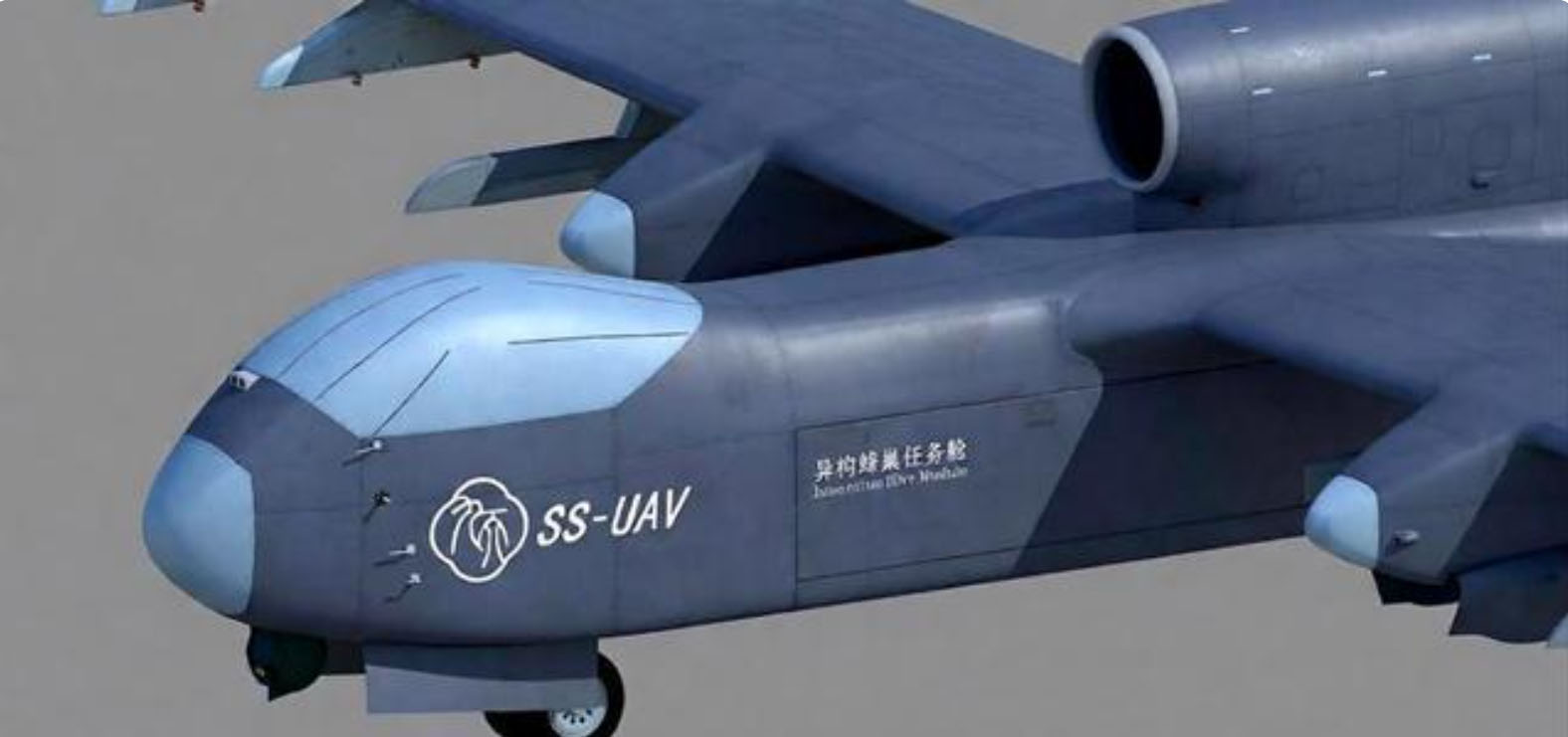
Thông qua khả năng tùy chỉnh tải trọng theo mô-đun, UAV "Jiutian" có thể được ứng dụng rộng rãi trong nhiều kịch bản dân sự khác nhau, bao gồm vận chuyển vật liệu nặng và giao hàng hậu cần chính xác ở các vùng núi và đảo xa xôi, khôi phục liên lạc nhanh chóng và cung cấp thiết bị cứu trợ thiên tai trong các hoạt động cứu hộ khẩn cấp, đồng thời cũng có thể cung cấp các dịch vụ như khảo sát địa lý, đánh giá thiên tai và thăm dò khoáng sản, bao phủ nhiều lĩnh vực của nền kinh tế quốc gia như khảo sát di tích văn hóa, tuần tra biển và thực thi pháp luật, và chữa cháy rừng.
Chuyến bay thử nghiệm thành công đầu tiên của UAV "Jiutian" đánh dấu một bước đột phá mới trong công nghệ UAV quy mô lớn của nước ta. Việc ứng dụng rộng rãi UAV này sẽ thúc đẩy sự hội nhập liền mạch và tương tác tích cực giữa chuỗi công nghiệp và chuỗi đổi mới, tạo động lực mới cho sự phát triển năng suất mới trong nền kinh tế hàng không tầm thấp và liên tục tạo ra một diện mạo mới cho sự phát triển chất lượng cao của ngành hàng không.
Máy bay không người lái "Jiutian" được thiết kế bởi Viện Thiết kế Máy bay số 1 thuộc Tập đoàn Công nghiệp Hàng không Trung Quốc, theo đơn đặt hàng của Công ty TNHH Công nghệ Thiết bị Không người lái Thiểm Tây.
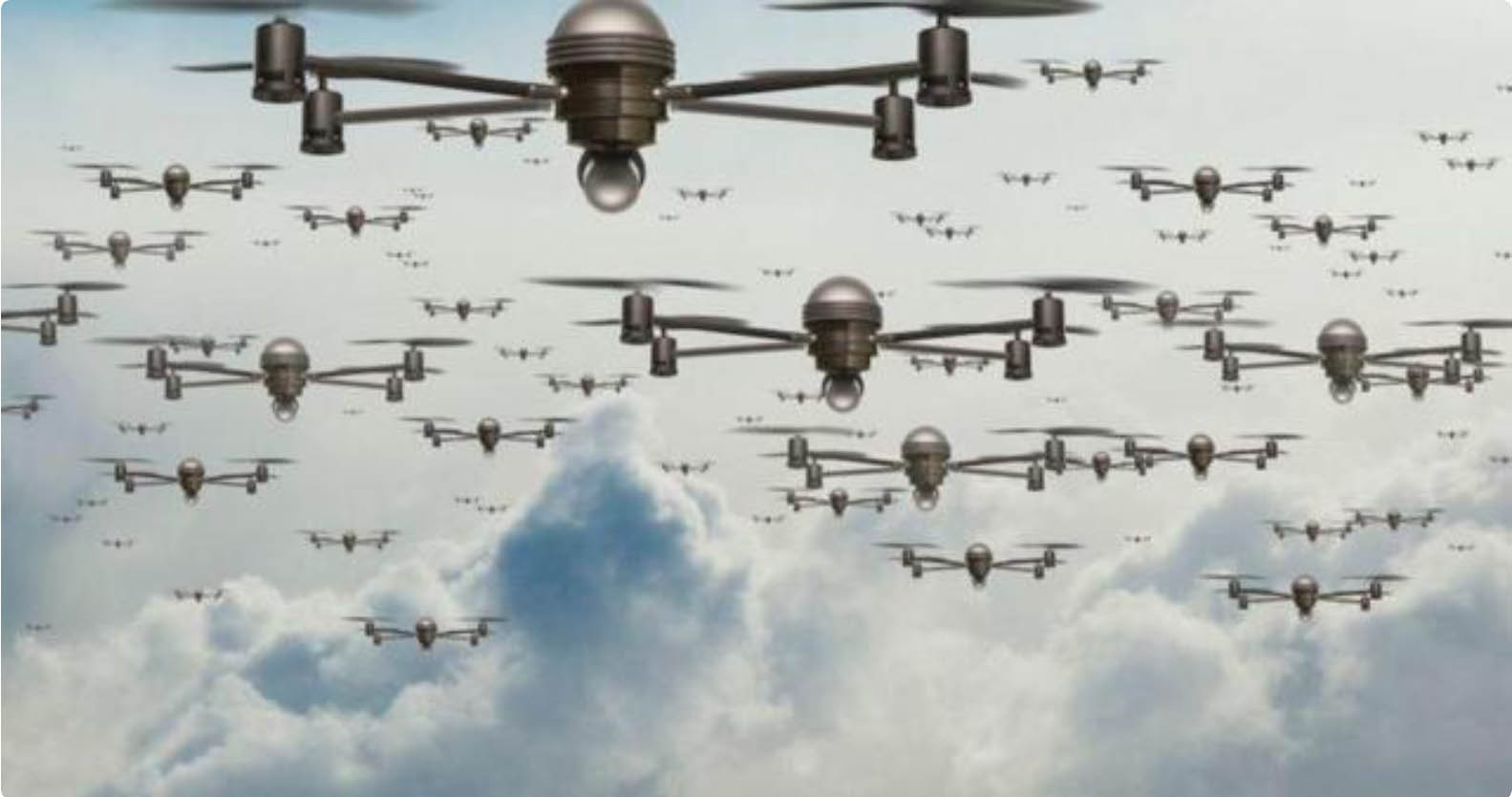
Máy bay không người lái "Jiutian" có tải trọng tối đa 6 tấn, trong khi tải trọng của một máy bay chiến đấu cỡ trung chỉ khoảng 7 tấn. Nó có thể mang những loại tải trọng nhiệm vụ nào?
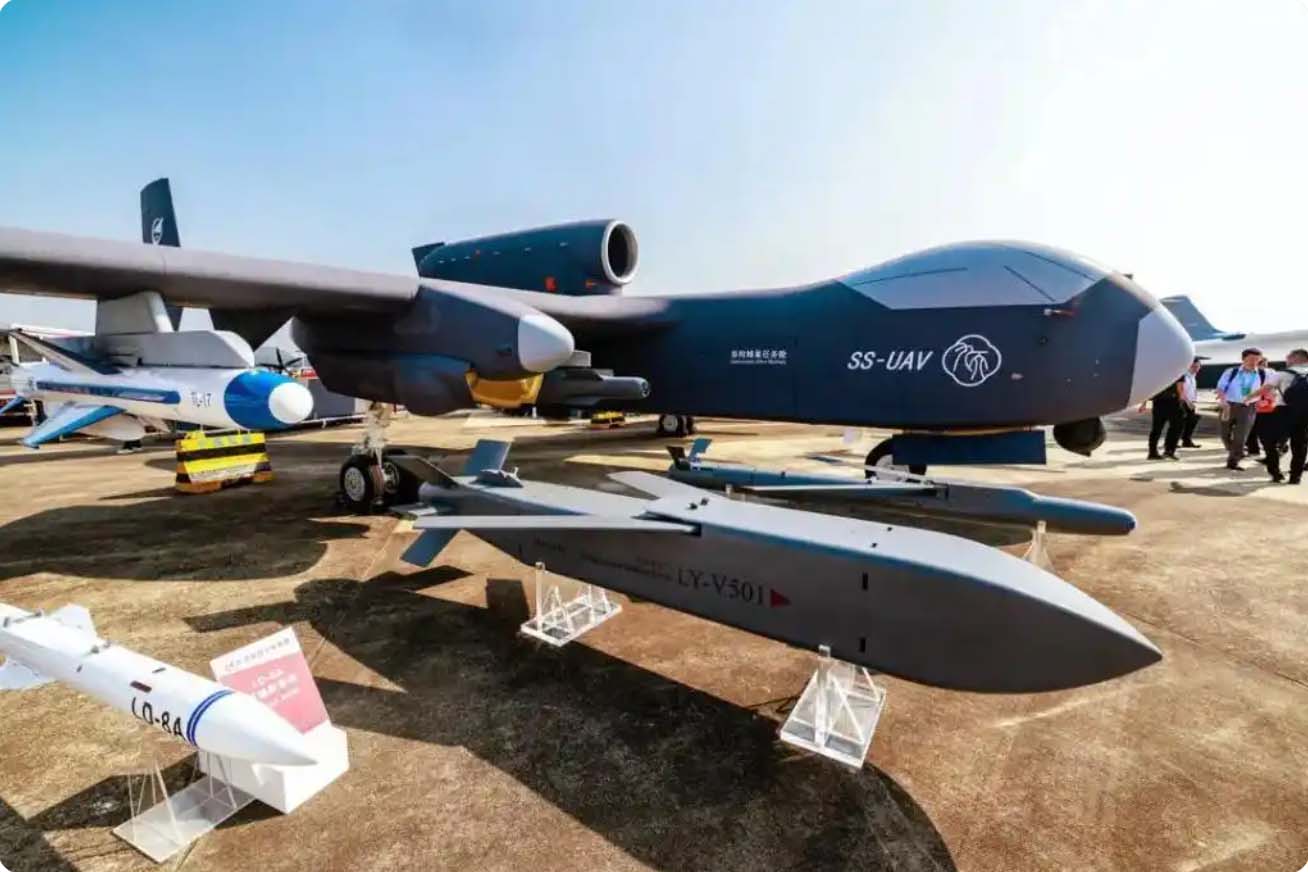
Các chuyên gia cho rằng UAV "Jiutian" có thể mang nhiều loại tải trọng khác nhau trong chiến đấu. Một mặt, nó có thể mang vũ khí tấn công. Ví dụ, nó có bốn điểm treo vũ khí có thể mang tải trọng một tấn; tải trọng một tấn là khá lớn đối với tên lửa. Tại Triển lãm Hàng không Trung Quốc, chúng ta cũng thấy nó mang theo tên lửa tầm xa. Những tên lửa này có thể bay hàng trăm km và cũng có thể thực hiện tấn công tàng hình, khiến chúng rất mạnh mẽ. Nó cũng có thể mang theo các UAV nhỏ hơn. Có thể nói rằng nó có thể mang hầu hết các loại tải trọng tấn công mặt đất hiện có. Tại Triển lãm Hàng không Trung Quốc, chúng ta cũng thấy nó mang theo tên lửa không đối không tầm trung, chẳng hạn như PL-12E. Những tên lửa này có thể tự hành hoặc được sử dụng để tấn công phủ đầu các mục tiêu trên không của đối phương. Quan trọng hơn, nếu nó mang theo các thiết bị tác chiến điện tử tiên tiến, nó có thể gây nhiễu và chặn radar của đối phương, nâng cao khả năng sống sót. Do đó, nếu nó có thể được trang bị hệ thống gây nhiễu hồng ngoại định hướng, sử dụng chùm tia laser để gây nhiễu tên lửa dẫn đường hồng ngoại của đối phương, khả năng sống sót của nó có thể được cải thiện đáng kể. Do đó, khả năng mang tải trọng cao cho phép nó mang nhiều loại vũ khí khác nhau, tăng cường cả khả năng xuyên phá và tấn công cũng như khả năng sống sót của chính nó.
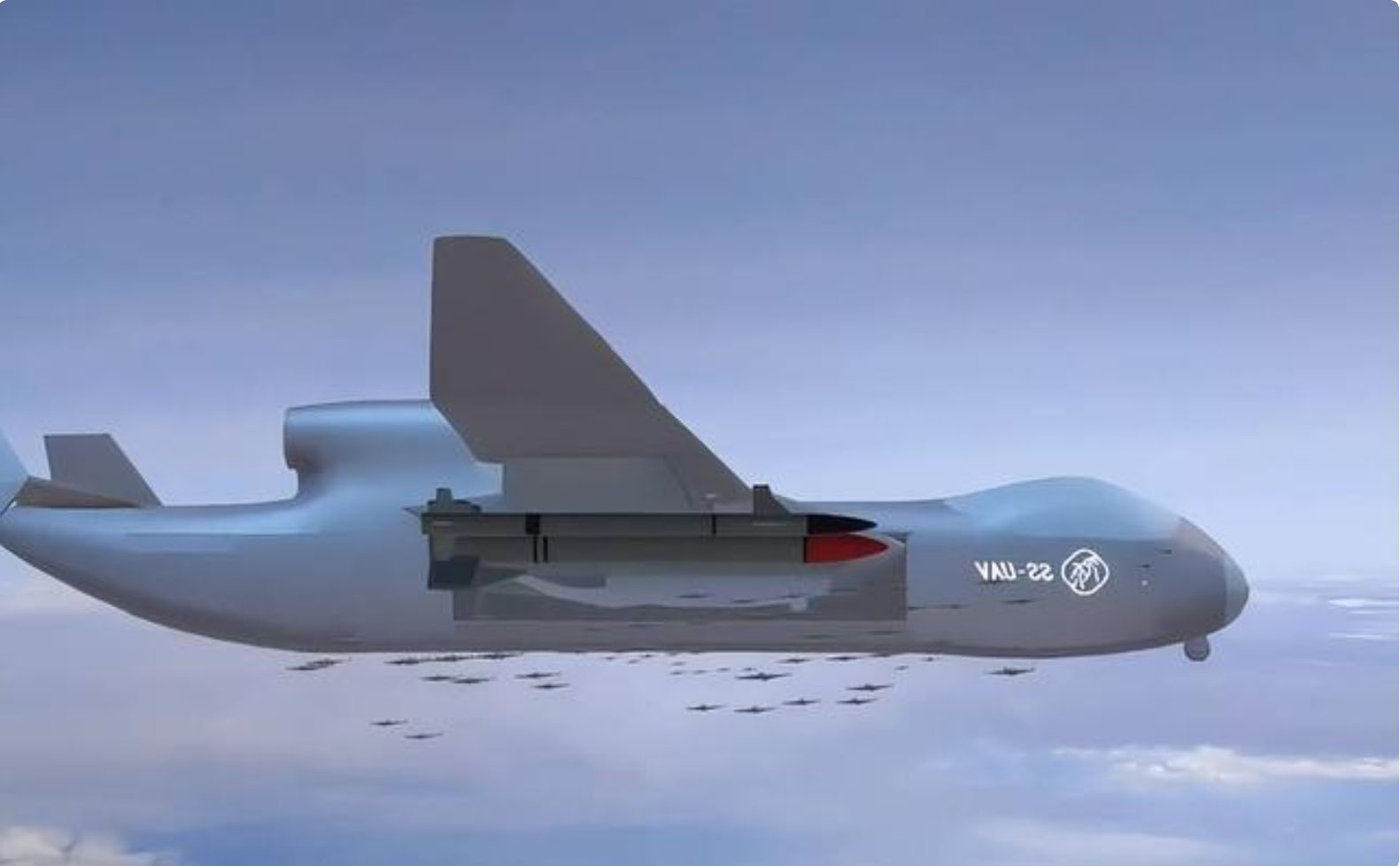
"Thiết bị phóng dạng tổ ong" được trang bị trên UAV "Jiutian" có thể thả hàng trăm máy bay không người lái siêu nhỏ hoặc vũ khí bay lượn cùng một lúc. Khả năng này có thể được sử dụng cho những nhiệm vụ nào?
Chuyên gia: Máy bay không người lái siêu nhỏ và vũ khí lượn vòng có ưu điểm đáng kể về khả năng xuyên phá mạnh mẽ, khiến kẻ địch khó đánh chặn do kích thước nhỏ. Tuy nhiên, những máy bay không người lái siêu nhỏ và vũ khí lượn vòng này cũng có tầm hoạt động hạn chế, thường chỉ từ 20-30 km. Việc tấn công các mục tiêu nằm sâu trong lãnh thổ địch khá khó khăn. Nhưng bằng cách triển khai những máy bay không người lái siêu nhỏ này trên UAV Jiutian, chúng có thể vươn sâu vào lãnh thổ địch để tiến hành các cuộc tấn công.
SS-UAV;
Máy bay không người lái SS-UAV;
Máy bay không người lái Cửu Thiên.
ĐT: +86-4000988557;
ID Skype: gfreex@hotmail.com;
WeChat: Troysupply_com;
ID QQ: 8936906












xin vui lòng đọc tiếp, ở lại đăng, đăng ký, và chúng tôi hoan nghênh bạn cho chúng tôi biết những gì bạn nghĩ.
 IPv6 mạng được hỗ trợ 粤ICP备2021036697号
 Dịch vụ trực tuyến
 4000988557
 sales1@troysupply.comsales2@troysupply.com
 Richard Liu
 TROY
TROY 8936906
 Troysupply_com